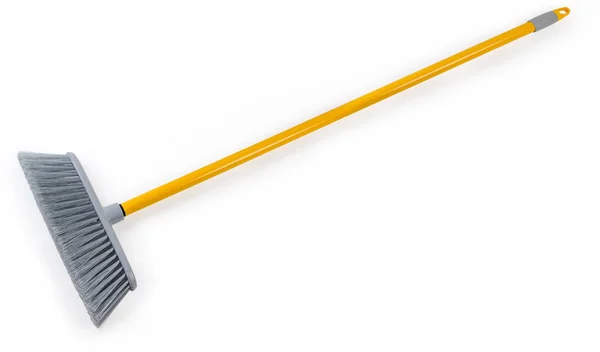
Broom handles are often overlooked, yet they are a crucial component of everyday cleaning. Providing the leverage and reach needed to sweep efficiently, broom handles make maintaining floors easier and prevent unnecessary strain on the back. Without a proper handle, a broom loses its effectiveness, forcing users to bend down repeatedly. Beyond their practicality, broom handles have a rich history, diverse materials, and innovative designs that continue to evolve with modern household needs.
The History of Broom Handles
Brooms have been essential cleaning tools for thousands of years, with archaeological evidence indicating their use in ancient civilisations. Early broom handles were simple, often made from bundled twigs or straw tied to a wooden stick. These rudimentary designs gradually evolved into more refined wooden staffs, reflecting improvements in woodworking techniques and material selection.
The Industrial Revolution brought a significant transformation to broom handle production. Mass manufacturing allowed for consistent, durable, and polished handles that were more comfortable and efficient to use. In the 20th century, adjustable and telescopic broom handles emerged, providing users with customisation options for different heights and storage needs. Today, broom handles combine centuries of tradition with modern innovations to meet diverse cleaning requirements.
Materials Used in Broom Handles
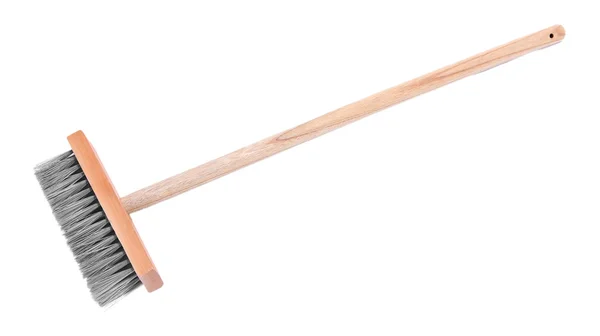
Wood has been the traditional choice for broom handles due to its natural strength, availability, and workability. Different types of wood offer varying durability, aesthetics, and costs, often influenced by regional availability.
Modern broom handles also incorporate materials like metal and plastic. Aluminium and steel handles provide a lightweight, durable option, particularly suitable for industrial or outdoor brooms. Aluminium, being rust-resistant, is ideal for wet or outdoor environments. Plastic broom handles have grown in popularity because they are affordable and easy to manufacture. Some are reinforced with fibreglass to enhance flexibility and strength, making them suitable for heavy-duty cleaning tasks.
The choice of material significantly impacts the durability, weight, and comfort of the broom handle. Selecting the right handle material can improve cleaning efficiency while minimising strain during long cleaning sessions.
Design Innovations and Ergonomic Features
Design innovations have focused on improving user comfort and efficiency. Modern broom handles often include ergonomic features such as contoured grips and non-slip coatings to reduce hand fatigue. Adjustable-length and telescopic broom handles allow users to customise the length for their height and specific cleaning tasks.
Telescopic handles are particularly popular in small living spaces, offering compact storage without compromising usability. Many brooms now feature detachable heads and interchangeable handles, promoting sustainability by reducing waste and providing cost-effective replacements over time. Ergonomic designs ensure that broom handles are not just functional but also user-friendly, making daily cleaning easier and more efficient.
Environmental Considerations
Sustainability has become an important factor in broom handle production. Eco-friendly options often prioritise sustainably sourced wood over metal or plastic. Some manufacturers now produce broom handles from recycled materials, including reclaimed wood and recycled plastics, helping to reduce environmental impact.
Local craftsmanship has also seen a resurgence, with small-scale manufacturers creating environmentally friendly broom handles from locally sourced, sustainable materials. This approach reduces transportation emissions, supports local economies, and preserves traditional woodworking skills. Choosing eco-conscious broom handles contributes to sustainable living practices while maintaining effective cleaning performance.
The Versatility of Broom Handles
Broom handles are not limited to sweeping tasks. Their straight, durable form makes them ideal for various DIY and household projects. They can be repurposed as plant stakes, storage supports, or even elements in artistic and decorative projects.
Upcycling old broom handles into functional or decorative pieces demonstrates their adaptability beyond cleaning. Gardeners often use broom handles to support tall plants or mark straight planting lines, highlighting their usefulness in outdoor activities. Their versatility adds value to households, showing that broom handles can serve multiple purposes long after their original function has worn out.
Future Trends and Innovations
The future of broom handles is likely to embrace both technological and material advancements. Smart brooms may feature sensors that indicate when cleaning is incomplete or when broom heads require replacement. While still conceptual, these innovations hint at a new era in household cleaning technology.
As urban living spaces shrink, compact, collapsible, and modular broom handles are expected to grow in popularity. These designs provide enhanced functionality without occupying excess space. Biodegradable and compostable broom handles may also become mainstream, aligning with global sustainability trends and eco-conscious consumer demand.
Conclusion
Broom handles are more than just simple household tools; they represent a rich history, practical design, and ongoing innovation. From their ancient origins to modern ergonomic and sustainable designs, broom handles remain essential for efficient cleaning. Their versatility, durability, and potential for future advancements ensure they continue to play a vital role in daily household maintenance. By understanding the evolution, materials, and innovative designs of broom handles, we can appreciate how even the simplest tools impact our everyday lives.