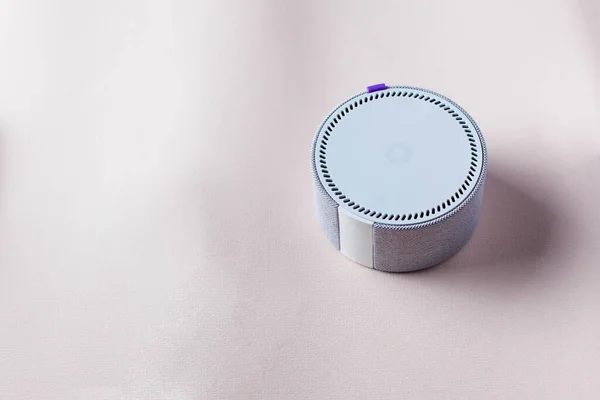
The gentle hum of a white noise machine has become an essential part of modern life, especially in noisy urban environments where peace is hard to find. But what exactly is white noise, and why are these machines gaining so much attention? White noise is a consistent, ambient sound that masks disruptive noises, creating a calming environment ideal for relaxation, focus, and sleep. The rising popularity of a white noise machine reflects a growing desire to escape the constant distractions of daily life.
What Is White Noise?
White noise contains all frequencies audible to the human ear, played simultaneously at equal intensity. This produces a steady, soothing sound that functions as an auditory blanket, masking sudden and jarring noises that could interrupt sleep or concentration. Unlike abrupt sounds that startle or disturb, white noise creates a continuous background hum, making it a favourite tool for improving sleep quality.
Research has shown that white noise can benefit a variety of conditions. It can help individuals with insomnia by promoting deeper, uninterrupted sleep and shortening the time it takes to fall asleep. People who experience tinnitus may find relief as white noise masks the persistent ringing in the ears with a more tolerable, consistent sound.
The Science Behind White Noise
The principle of auditory masking is key to understanding why white noise is effective. Masking works by covering unwanted sounds with a neutral or soothing sound, reducing the perception of disruptive noise. This is particularly useful in environments with frequent disturbances, such as busy city streets or open-plan offices.
Studies suggest that white noise can also improve focus and productivity. Employees in noisy workspaces often struggle with concentration, and a white noise machine can help reduce distractions. Additionally, the calming effect of continuous sound may lower stress levels and support a more relaxed mental state.
White Noise in Everyday Settings
In the bedroom, white noise machines are widely recommended for improving sleep hygiene. Unlike earplugs that target only one side, these devices blanket the entire room in sound, helping both light and heavy sleepers. They can mask a variety of noises, from a partner’s snoring to distant traffic, creating a peaceful environment for rest.
For nurseries, white noise machines simulate the familiar sounds babies hear in the womb, like the mother’s heartbeat and muffled external noises. This can help infants fall asleep faster and remain asleep longer, providing much-needed rest for both babies and parents.
In office environments, white noise machines act as “sound curtains”, minimising overheard conversations and preserving confidentiality. This is particularly useful in medical offices, legal practices, or any workplace where privacy is crucial.
Public spaces such as libraries, cafes, and waiting rooms also benefit from white noise. Machines can subtly balance openness with acoustic privacy, creating a calm atmosphere that is inviting for patrons while maintaining a peaceful environment for staff.
Types of White Noise Machines
White noise machines range from simple devices that emit static, fan sounds, or ocean waves to advanced models with multiple pre-recorded sound options. Modern machines often include timers, alarm functions, and smartphone integration. Some even allow for customised sound profiles, blending different ambient sounds to suit individual preferences.
With the integration of AI technology, some machines can learn a household’s sound habits over time, automatically adjusting to deliver the most comfortable auditory environment. This personalisation makes white noise machines more effective for sleep, relaxation, and focus.
Digital and Smartphone Solutions
Beyond physical machines, digital white noise apps have surged in popularity. These apps offer extensive libraries of sounds, from rainstorms to bustling coffee shops, accessible on mobile devices. Digital solutions provide versatility, enabling users to maintain a consistent sound environment while travelling or working remotely.
The convenience of smartphone apps makes them an ideal alternative for those who want white noise on the go. They can be used in hotels, offices, or public spaces, ensuring a familiar, relaxing auditory environment wherever you are.
Tips for Optimal Use
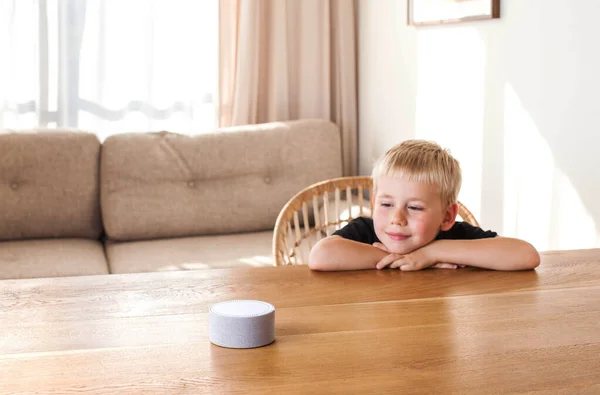
To maximise the benefits of a white noise machine, consider several key factors. Volume should be high enough to mask disruptive noises but not so loud that it becomes intrusive. Placement is also important; keeping the machine at least three feet away from the bed or workspace reduces the risk of hearing damage.
Choosing the right sound is equally important. While some find ocean waves or rainfall relaxing, others prefer the steady hum of a fan. Experimenting with different sounds can help identify the most effective and soothing option for each individual.
Consistency is another factor in achieving optimal results. Using white noise each night or during focused work sessions helps train the brain to associate the sound with relaxation, concentration, or sleep, reinforcing its benefits over time.
Conclusion
White noise machines have evolved from niche sleep aids into versatile tools for enhancing daily life. They promote better sleep, improve focus, and create more peaceful environments in both private and public spaces. As awareness of mental well-being and stress management grows, these devices offer a simple, effective way to carve out moments of calm in a noisy world. Whether through traditional machines or smartphone applications, white noise is becoming an indispensable part of modern life, helping people sleep better, concentrate more, and enjoy a more tranquil living space.